Buy bitcoinonline.eu ?
We are moving the project
bitcoinonline.eu .
Are you interested in purchasing the domain
bitcoinonline.eu ?
domain@kv-gmbh.de · 0541-91531010
Buy bitcoinonline.eu ?
Why do the climate zones not run parallel to the lines of latitude?
The climate zones do not run parallel to the lines of latitude because they are influenced by various factors such as ocean currents, wind patterns, elevation, and proximity to large bodies of water. These factors can create variations in temperature, precipitation, and other climate characteristics, leading to the formation of different climate zones. For example, the presence of warm ocean currents can lead to milder climates at higher latitudes, while mountain ranges can create rain shadows and influence local climate patterns. As a result, the climate zones can be quite diverse and do not strictly follow the lines of latitude. **
Why do the boundaries of climate zones run parallel to the lines of latitude?
The boundaries of climate zones run parallel to the lines of latitude because the amount of sunlight received at different latitudes determines the temperature and climate of a region. As the Earth is tilted on its axis, sunlight is distributed unevenly, resulting in varying temperatures at different latitudes. This leads to the formation of distinct climate zones that are aligned parallel to the lines of latitude. **


Similar search terms for Latitude-Run-Witton-Writing
Top-Angebote
Products related to Latitude-Run-Witton-Writing:


-
How is latitude calculated?
Latitude is calculated as the angle between a point on the Earth's surface and the equatorial plane. It is measured in degrees, with the equator being 0 degrees latitude and the poles being 90 degrees north or south latitude. Latitude can be determined using various methods, such as GPS coordinates, celestial navigation, or by using specialized instruments like a sextant to measure the angle of the sun or stars above the horizon. **
-
What is the latitude?
The latitude is a geographic coordinate that specifies the north-south position of a point on the Earth's surface. It is measured in degrees, with the equator being 0 degrees latitude and the poles being 90 degrees north and south latitude. The latitude lines run parallel to the equator and are used to determine how far north or south a location is from the equator. **
-
What are exchange partners writing?
Exchange partners are writing about their experiences, thoughts, and reflections on various topics. They may be sharing stories about their culture, traditions, and daily life, or discussing current events, global issues, and personal interests. Through their writing, exchange partners are able to connect with others, exchange ideas, and gain a deeper understanding of different perspectives and ways of life. **
-
How do you calculate latitude?
Latitude is calculated based on the angle between a point on the Earth's surface and the equator. It is measured in degrees, with the equator being 0 degrees and the poles being 90 degrees north or south. Latitude can be determined using various methods, such as GPS coordinates, celestial navigation, or by using specific tools like a sextant to measure the angle of the sun or stars above the horizon. **

What is the formula for latitude?
The formula for latitude is the angle between a point on the Earth's surface and the equatorial plane, measured in degrees north or south from the equator. Latitude is denoted by the symbol φ and can range from 0° at the equator to 90° at the North Pole or South Pole. The formula for latitude is φ = 90° - θ, where θ is the angle between the point and the nearest pole. **
How does temperature relate to latitude?
Temperature is closely related to latitude because of the angle at which the sun's rays hit the Earth. Near the equator, where the sun's rays are more direct, temperatures tend to be warmer. As you move towards the poles, the angle of the sun's rays becomes more oblique, resulting in cooler temperatures. This is why regions closer to the equator generally experience warmer climates, while those closer to the poles experience colder climates. **
Top-Angebote
Products related to Latitude-Run-Witton-Writing:
-
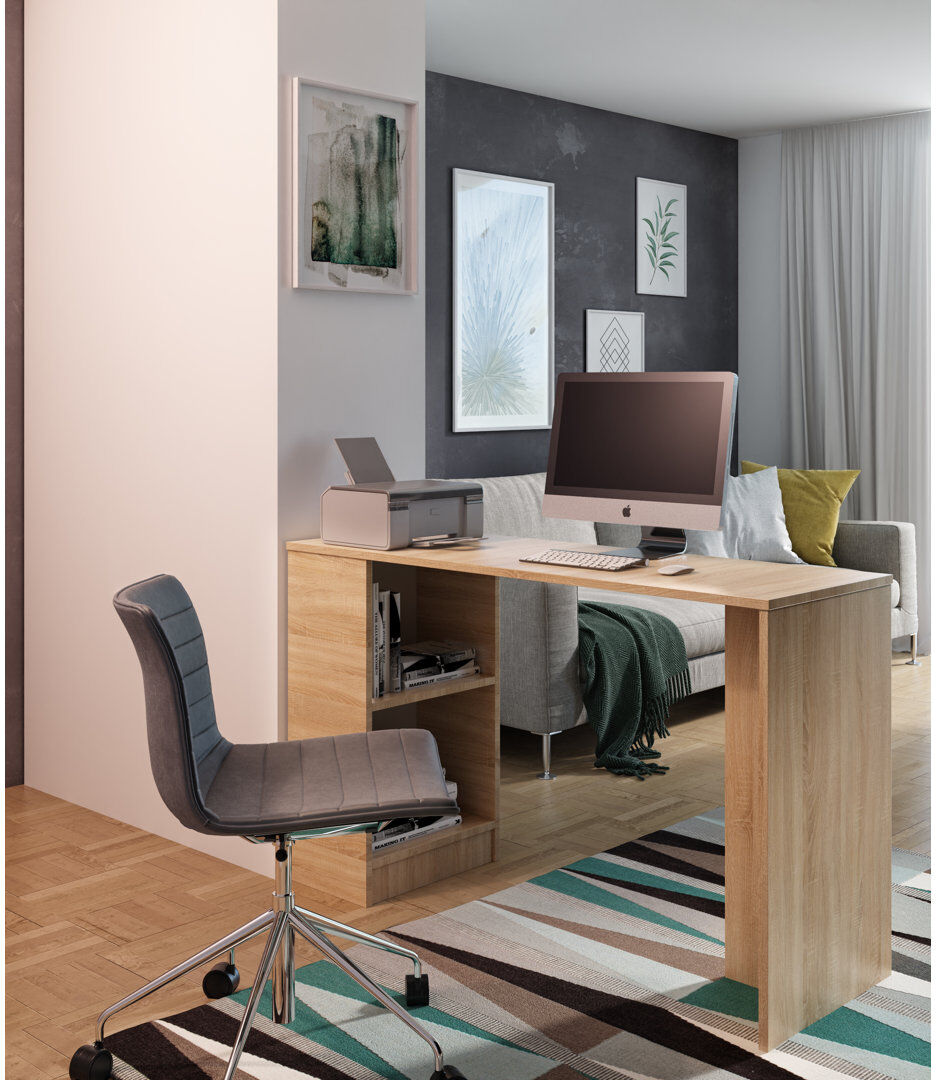
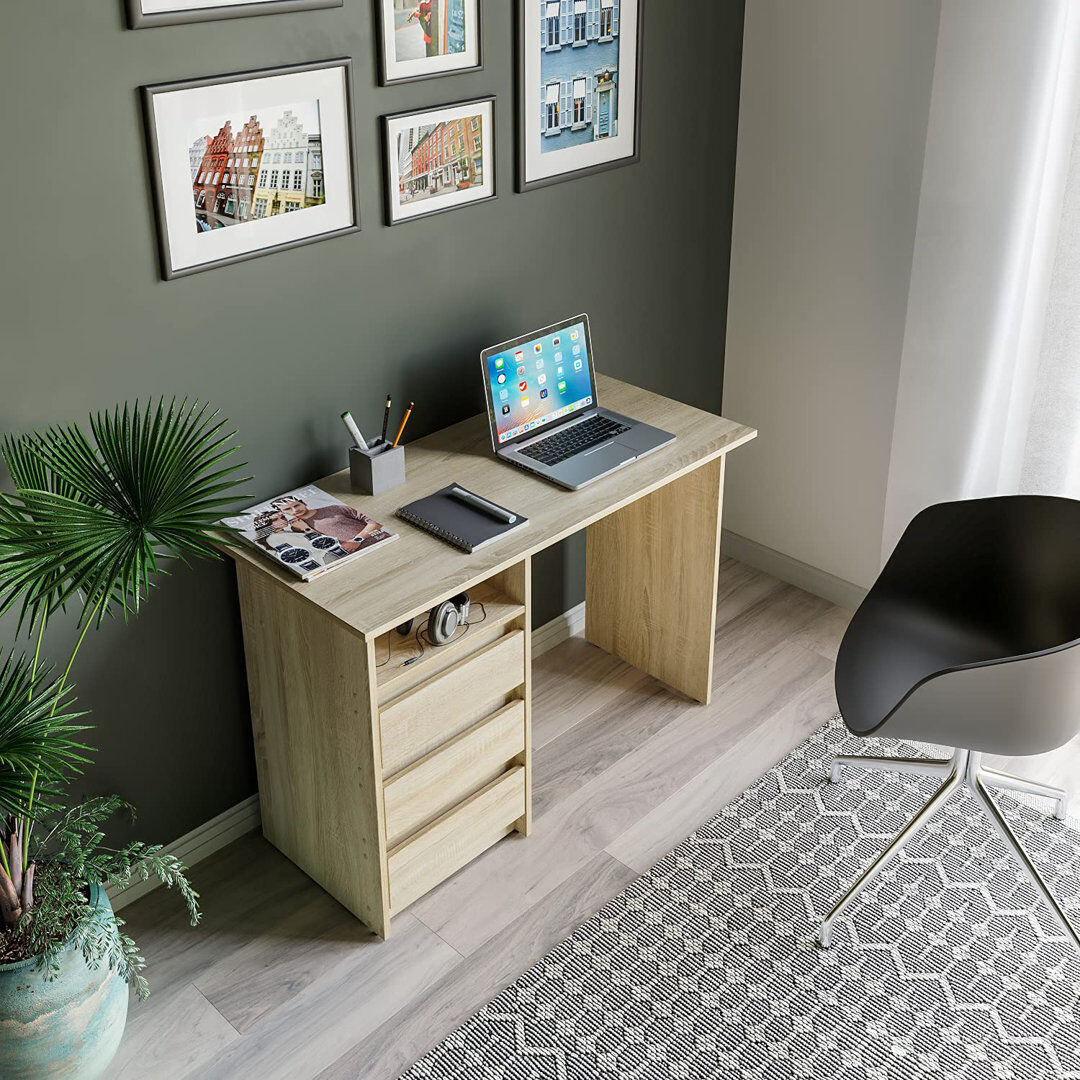
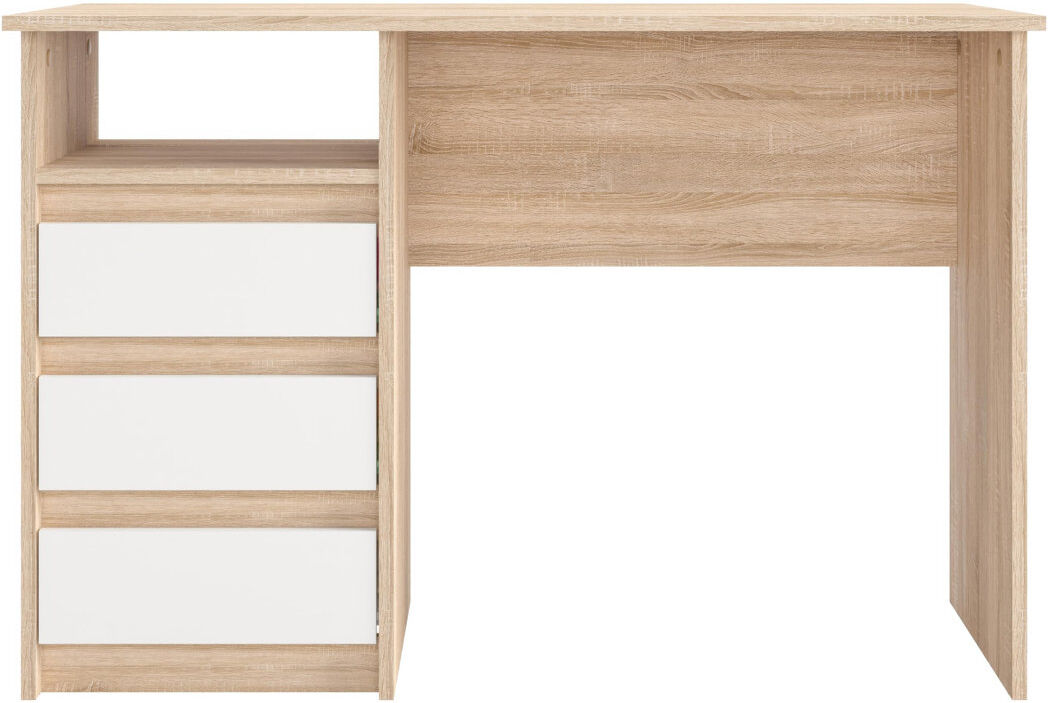
Latitude Run Witton Writing Desk WhiteEfficiently save space with this computer desk. Featuring a keyboard tray and a drawer, it saves a lot of desktop space. Constructed of particle board with oak surface, it's durable, easy to maintain, and brings you the atmosphere of nature. Its contemporary look will blend beautifully into any style décor.Under the desktop there is a keyboard tray and a drawer for the keyboard and other items, which saves a lot of space on the desktop.Compact desk with modern style will be an attractive addition to your study, office, dormitory, etc. Ensure your optimal comfort during typing, and saves space while keyboard is not being used. It's an ideal choice for you to have this desk in your study, office, or bedroom to enrich your furniture while saving space!Drawer Dimension: 18.5W x 28D x 6.5Hcm. Keyboard Tray Dimension: 46W x 30D x 9.5Hcm. Rear Baffle: 75W x 10Dcm (1cm above the floor). Latitude Run Top Colour: White91,99 £*Shipping: 0,00 £Secure redirect to the provider
-
Latitude Run Witton Writing Desk OakEfficiently save space with this computer desk. Featuring a keyboard tray and a drawer, it saves a lot of desktop space. Constructed of particle board with oak surface, it's durable, easy to maintain, and brings you the atmosphere of nature. Its contemporary look will blend beautifully into any style décor.Under the desktop there is a keyboard tray and a drawer for the keyboard and other items, which saves a lot of space on the desktop.Compact desk with modern style will be an attractive addition to your study, office, dormitory, etc. Ensure your optimal comfort during typing, and saves space while keyboard is not being used. It's an ideal choice for you to have this desk in your study, office, or bedroom to enrich your furniture while saving space!Drawer Dimension: 18.5W x 28D x 6.5Hcm. Keyboard Tray Dimension: 46W x 30D x 9.5Hcm. Rear Baffle: 75W x 10Dcm (1cm above the floor). Latitude Run Top Colour: Oak91,99 £*Shipping: 0,00 £Secure redirect to the provider
-
Why do the climate zones not run parallel to the lines of latitude?
The climate zones do not run parallel to the lines of latitude because they are influenced by various factors such as ocean currents, wind patterns, elevation, and proximity to large bodies of water. These factors can create variations in temperature, precipitation, and other climate characteristics, leading to the formation of different climate zones. For example, the presence of warm ocean currents can lead to milder climates at higher latitudes, while mountain ranges can create rain shadows and influence local climate patterns. As a result, the climate zones can be quite diverse and do not strictly follow the lines of latitude. **
-
Why do the boundaries of climate zones run parallel to the lines of latitude?
The boundaries of climate zones run parallel to the lines of latitude because the amount of sunlight received at different latitudes determines the temperature and climate of a region. As the Earth is tilted on its axis, sunlight is distributed unevenly, resulting in varying temperatures at different latitudes. This leads to the formation of distinct climate zones that are aligned parallel to the lines of latitude. **
-
How is latitude calculated?
Latitude is calculated as the angle between a point on the Earth's surface and the equatorial plane. It is measured in degrees, with the equator being 0 degrees latitude and the poles being 90 degrees north or south latitude. Latitude can be determined using various methods, such as GPS coordinates, celestial navigation, or by using specialized instruments like a sextant to measure the angle of the sun or stars above the horizon. **
-
What is the latitude?
The latitude is a geographic coordinate that specifies the north-south position of a point on the Earth's surface. It is measured in degrees, with the equator being 0 degrees latitude and the poles being 90 degrees north and south latitude. The latitude lines run parallel to the equator and are used to determine how far north or south a location is from the equator. **
Similar search terms for Latitude-Run-Witton-Writing
-
What are exchange partners writing?
Exchange partners are writing about their experiences, thoughts, and reflections on various topics. They may be sharing stories about their culture, traditions, and daily life, or discussing current events, global issues, and personal interests. Through their writing, exchange partners are able to connect with others, exchange ideas, and gain a deeper understanding of different perspectives and ways of life. **
-
How do you calculate latitude?
Latitude is calculated based on the angle between a point on the Earth's surface and the equator. It is measured in degrees, with the equator being 0 degrees and the poles being 90 degrees north or south. Latitude can be determined using various methods, such as GPS coordinates, celestial navigation, or by using specific tools like a sextant to measure the angle of the sun or stars above the horizon. **
-
What is the formula for latitude?
The formula for latitude is the angle between a point on the Earth's surface and the equatorial plane, measured in degrees north or south from the equator. Latitude is denoted by the symbol φ and can range from 0° at the equator to 90° at the North Pole or South Pole. The formula for latitude is φ = 90° - θ, where θ is the angle between the point and the nearest pole. **
-
How does temperature relate to latitude?
Temperature is closely related to latitude because of the angle at which the sun's rays hit the Earth. Near the equator, where the sun's rays are more direct, temperatures tend to be warmer. As you move towards the poles, the angle of the sun's rays becomes more oblique, resulting in cooler temperatures. This is why regions closer to the equator generally experience warmer climates, while those closer to the poles experience colder climates. **
* All prices are inclusive of VAT and, if applicable, plus shipping costs. The offer information is based on the details provided by the respective shop and is updated through automated processes. Real-time updates do not occur, so deviations can occur in individual cases. ** Note: Parts of this content were created by AI.